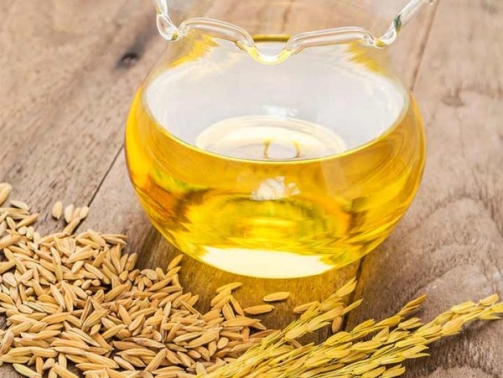




Buy Canola oil
Specifications
| Parameter | Standard Value |
| Product Name | Refined Canola Oil |
| Grade | Food Grade |
| Color | Light Yellow |
| Free Fatty Acids (FFA) | 0.1% Maximum |
| Moisture and Impurities | 0.05% Maximum |
| Erucic Acid Content | Less than 2% |
| Iodine Value | 94 to 120 g/100g |
| Non-GMO Option | Available |
| Halal Certified | Yes |
| Packaging | Bulk flexibag, 1L / 2L / 5L bottles, 20L jerrycan |
| Minimum Order Quantity | 1 x 20ft container (approximately 20 MT) |
| Trade Terms | FOB, CIF available |
Add to wishlist
Share
CategoryEdible Oils
- Fatty Acids: This cooking oil is primarily made up of monounsaturated fats, which are beneficial for heart health. It also contains a good balance of omega-3 and omega-6 fatty acids, essential for various bodily functions.
- Vitamins: Canola oil is a good source of vitamin E, an antioxidant that helps protect cells from oxidative stress. It also contains vitamin K, which plays a role in blood clotting and bone health.
- Low in Saturated Fat: With a low saturated fat content, this oil is a heart-healthy option compared to many other cooking oils.
Canola Oil: A Versatile Cooking Essential
Canola oil, extracted from the seeds of the canola plant, is a popular cooking oil known for its mild flavor and numerous health benefits. This oil plays a significant role in various culinary traditions and food preparation techniques. This article explores the advantages of this oil, its diverse culinary applications, and reasons to incorporate it into your kitchen, especially for markets in Europe, Asia, and Africa.
What is Canola Oil?
This oil is derived from the seeds of the canola plant (Brassica napus). It is recognized for its favorable fatty acid profile, which consists mainly of monounsaturated fats and polyunsaturated fats, including omega-3 and omega-6 fatty acids. Generally refined, it offers a neutral taste and a high smoke point, making it suitable for various cooking methods, including frying, baking, and sautéing.
Nutritional Profile
Canola oil is not only versatile but also nutritious. Here are some key components of its nutritional profile:
Health Benefits
1. Supports Heart Health
One of the most significant benefits of using canola oil is its positive impact on heart health. The high level of monounsaturated fats can help lower bad LDL cholesterol levels while raising good HDL cholesterol. Incorporating this oil into a balanced diet may reduce the risk of cardiovascular diseases, making it a heart-friendly choice.
2. Rich in Omega Fatty Acids
Canola oil is an excellent source of omega-3 fatty acids, particularly alpha-linolenic acid (ALA). These essential fats play a crucial role in brain function and may help reduce inflammation in the body.
3. Promotes Healthy Skin
Using this oil in cooking can benefit skin health due to its vitamin E content. This nutrient promotes hydration and elasticity, making it an excellent choice for maintaining skin wellness. Moreover, it can be applied topically to soothe dry skin and minor irritations, making it popular in many skincare products.
4. Supports Immune Function
The antioxidants found in canola oil may enhance immune function. Regular consumption can help support the body’s ability to fight infections and maintain overall wellness, making it a valuable addition to a healthy diet.
5. Aids in Weight Management
Incorporating this oil into your diet may assist with weight management. The healthy fats can promote a feeling of fullness, potentially reducing overall calorie intake.
Culinary Uses
The versatility of canola oil makes it a popular choice in various culinary applications. Here are some common uses:
1. Frying and Sautéing
With a high smoke point of around 400°F (204°C), canola oil is ideal for frying and sautéing. Its neutral flavor allows the natural taste of ingredients to shine, making it perfect for stir-fries, deep-fried foods, and sautéed vegetables. Whether you’re preparing crispy fried chicken or a delicious vegetable stir-fry, this oil can enhance the flavor and texture of your dishes.
2. Baking
This oil can be used in baking to provide moisture and a subtle flavor. It can replace butter or other fats in recipes, offering a healthier alternative for baked goods. From cakes and muffins to cookies and bread, using canola oil can result in moist, flavorful treats.
3. Salad Dressings and Marinades
It serves as an excellent base for salad dressings and marinades. Its mild flavor pairs well with various herbs and spices, enhancing the taste of salads and grilled dishes. Mixing it with vinegar, lemon juice, or yogurt can create delicious dressings that elevate your meals.
4. Sauces and Condiments
Incorporating canola oil into sauces can provide a rich flavor that complements a variety of dishes. From pasta sauces to dipping sauces, this oil can enhance the overall taste while adding nutritional benefits.
5. Culinary Diversity
Canola oil is widely used in international cuisines, making it a versatile ingredient for various dishes. It’s commonly employed in Asian cooking for stir-frying and in Mediterranean cuisine for dressings and marinades. Its adaptability allows home cooks and professional chefs alike to explore diverse culinary traditions. Visit organicfacts.net for more information about Canola oil.
FAQs
1. Is this oil healthy?
Yes, when used in moderation, it can be a healthy addition to your diet. Its favorable fatty acid profile and antioxidants support overall wellness and heart health.
2. Can it be used for frying?
Absolutely! This oil has a high smoke point, making it suitable for frying and high-temperature cooking without losing its quality.
3. How does it compare to other oils?
It is light in flavor and rich in healthy fats, making it versatile in various cuisines. Compared to oils like olive or coconut oil, it has a milder taste, allowing it to blend seamlessly into a variety of dishes.
4. What is the difference between refined and unrefined?
Refined canola oil has been processed to remove impurities and has a neutral flavor, while unrefined retains more nutrients and a stronger taste. Both types have their uses in the kitchen depending on your cooking needs.
Testimonials
Maria from Canada: “This oil is my go-to for frying. It adds a light taste to my dishes and is healthier than many other options.”
John from the USA: “I enjoy using it in my salad dressings. It blends well and has a lovely mild flavor that complements my salads.”
Amina from France: “It’s perfect for baking. My cakes come out moist, and I feel good about using it as a healthier option.”
Conclusion
Canola oil is a versatile and beneficial cooking oil that offers numerous health advantages and culinary uses. Its balanced fat profile, high smoke point, and rich nutrient content make it an essential addition to any kitchen. Whether you’re frying, baking, or making dressings, this oil is an excellent choice for enhancing your meals. Embrace its benefits and explore how it can elevate your cooking and contribute to your overall health! Checkout our shop for other premium cooking oils .